Standing at a tap list, unsure about lager vs ale? The short answer: ales use one yeast species that likes warmer fermentation, while lagers use another that works cooler and slower.
This guide is part of a wider look at brooklyn craft beer, so read on if you want the basics behind what ends up in your glass.
| Item | Value |
|---|---|
| Typical ale fermentation range | 60-75°F (16-24°C) |
| Typical lager fermentation range | 45-55°F (7-13°C) |
| Ale yeast species | Saccharomyces cerevisiae |
| Lager yeast species | Saccharomyces pastorianus |
| Bavarian decree banning summer brewing | 1553 |
| Share of world beer that is mass-market lager | 90 percent |
These figures come from Beer & Brewing and Cook’s Illustrated. Sources draw the temperature lines slightly differently and figures can change, so check the source before you rely on them.
The yeast is the real dividing line
If a brewer had to name a single difference, it would be the yeast species. According to Beer & Brewing, ales are fermented with Saccharomyces cerevisiae and lagers with Saccharomyces pastorianus.
Ale yeast is the same species used to bake bread, which fits the long history between brewers and bakers. Lager yeast, by contrast, is described as a microbe all its own, with a clear taste for the cold.
Lager yeast is also a hybrid. Popular Science explains that researchers compared the genomes and found S. pastorianus is a hybrid of S. cerevisiae and a wild, cold-tolerant species called S. eubayanus. They isolated that wild species from forests in Patagonia in Argentina.
The work was published in 2011 as “Microbe domestication and the identification of the wild genetic stock of lager-brewing yeast,” as Popular Science reports. The same piece says lagers first arose in Bavarian breweries in the late 15th or early 16th century, long after ale brewing began.
How fermentation temperature shapes flavor
Temperature is the most visible result of the yeast difference. Beer & Brewing says most ales ferment at 60-75°F (16-24°C), while lagers generally do their best at 45-55°F (7-13°C). Some saison strains need as much as 95-100°F (35-38°C) to fully attenuate.
Cook’s Illustrated frames it a little differently. It puts ale yeast at home around 65° to 75°F, and says lager yeast does its best fermenting between 40° and 55°F, working more slowly as it goes.
That slow, cool pace changes what ends up in the glass:
- Ales produce esters, the compounds behind fruity notes like banana and apple, according to Cook’s Illustrated.
- Lagers show less of those fruity, spicy yeast flavors and more of a simple, clean flavor that comes from the grain.
- In everyday terms, Popular Science notes that ales tend to be fruity-estery while lagers are clean-tasting.
Cold fermentation also keeps many yeast by-products in check, so malt and hops stay in front. That is the clean, crisp character many drinkers associate with a good lager.
Is “top-fermenting versus bottom-fermenting” a myth?
It is a popular shorthand, and the experts disagree on how useful it is. Beer & Brewing calls it misleading at best, because most yeast cells, ale and lager alike, end up on the bottom of the vessel. Popular Science calls it generally accurate but useless to anyone without brewing experience.
The idea probably grew out of what brewers can see. Ale typically builds a large, fluffy kräusen on top of the fermenting beer, while a lager’s is usually smaller and less vigorous. That has more to do with cool fermentations being subtler than warm ones than with where the yeast prefers to sit.
Cook’s Illustrated still uses the labels, noting that lager yeast cells clump and sink rather than float. The safest reading is that the labels describe a habit, while the species is the real definition.
What lagering adds
The word lagering comes from the German lagern, meaning “to store,” and refers to the long cold-conditioning phase after primary fermentation, according to Beer & Brewing. Cook’s Illustrated adds that lagers traditionally, but not mandatorily, rest for up to several months in contact with their yeast.
Beer & Brewing lists several reasons brewers condition beer cold:
- It lets yeast and turbid matter settle out.
- It allows carbonation, either artificial or from a secondary fermentation.
- It improves flavor.
- It precipitates chill haze, so the beer stays clear when it is chilled.
The yeast bed also helps. Aroma compounds, such as those behind butterscotchy and fruity flavors, are absorbed and removed by it, which further clarifies the flavor.
Where the lines between lager and ale blur
Real beers rarely follow the textbook neatly. Beer & Brewing points out that lager yeasts are perfectly capable of fermenting in the ale temperature range. California Common strains act pretty lager-like at up to 65°F (18°C), and certain German ale strains used for Kölsch and Altbier can work down to 55-60°F (13-16°C).
Cold storage is not exclusive to lagers either. Altbier and Kölsch, both German ales, traditionally undergo a period of cold storage after fermentation. The same source notes that the Westvleteren ales spend anywhere from a month to 10 weeks in 50°F (10°C) lagering tanks.
The reason lagers ended up cold in the first place is partly historical. Beer & Brewing credits a 1553 Bavarian decree that prohibited summer brewing with pushing brewers to unknowingly select cold-tolerant yeasts that could survive Bavarian winters. So-called hybrid strains blur the temperature lines a little more.
Is lager just pale and watery?
Lager has a reputation problem. Cook’s Illustrated reports, citing the Oxford Companion to Beer, that 90 percent of beer consumed worldwide is mass-market lager, often made with adjunct grains such as unmalted rice or corn.
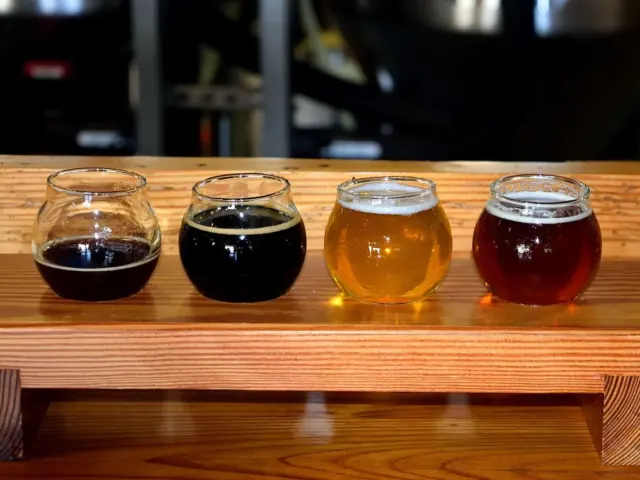
The family is much wider than that. The same article lists grassy, bitter pilsners, dark and malty Vienna lager, high-proof and bready bock and double bock, and even smoked lagers.
Craft brewing has leaned the other way. Cook’s Illustrated says the rise in craft brewing since the 1980s embraced ales with a vengeance, including IPAs, DIPAs, NEIPAs, Belgian-style ales, stouts and porters.
Using this when you order
You do not need a brewing degree at the bar, just a few cues:
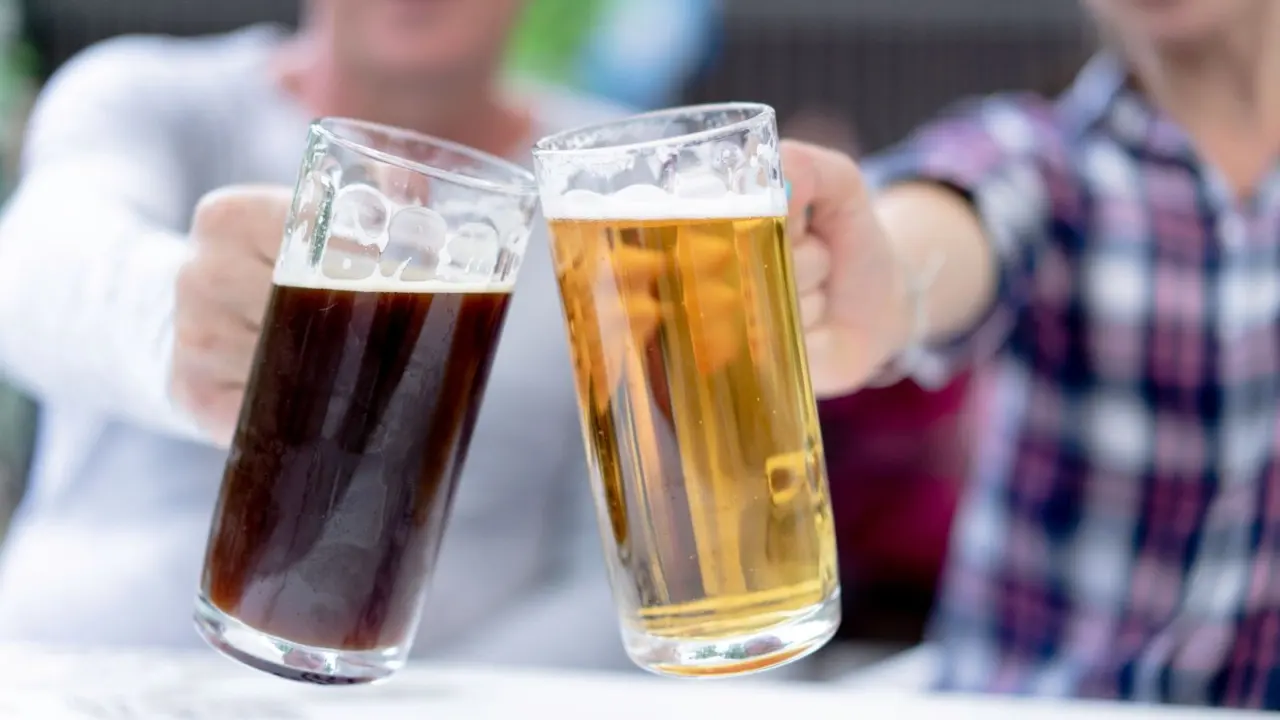
- Want something clean, crisp and grain-forward? Look to the lager side of the list.
- Want fruity, expressive or hop-driven? Look to the ales.
- Unsure? Ask the bartender whether a beer is an ale or a lager, then describe the flavors you like.
If you lean toward ales, a comparison of ipa vs pale ale is a natural next read. For a closer look at one of the most talked-about ale styles, see the explainer on what is a hazy ipa.
Frequently asked questions
Is lager always fermented colder than ale?
Show answer
Not strictly. Lagers generally do best in the cooler range, but Beer & Brewing says they can ferment in the ale range, and some ale strains work cool. The yeast species is the cleaner dividing line.
Is an IPA an ale or a lager?
Show answer
An IPA is an ale. Cook’s Illustrated groups IPAs with the top-fermented styles of the craft boom.
Why do lagers taste cleaner?
Show answer
Cool, slow fermentation produces fewer fruity yeast flavors, so the grain character stands out, according to Cook’s Illustrated. A cold resting period then helps clarify the flavor.
Are all lagers light and weak?
Show answer
No. Mass-market lager dominates volume, but Cook’s Illustrated also lists high-proof bock and double bock, dark Vienna lager and smoked lagers.
Where did lager yeast come from?
Show answer
It is a hybrid of ale yeast and a wild cold-tolerant species found in Patagonia, based on the research summarized by Popular Science.