Standing at a Brooklyn bar, wondering what is amaro? It’s a bittersweet Italian herbal liqueur, often sipped after dinner, and you can drink it neat, on ice or in cocktails.
This guide is part of the brooklyn cocktail guides, written to help you order with confidence.
| Item | Value |
|---|---|
| Alcohol content | 16% to 40% |
| Typical role | After-dinner digestif |
| Fernet-Branca created | 1845, by Bernardino Branca |
| Herbs in Amaro Montenegro | 40 herbs |
| Share of Fernet-Branca production absorbed by Argentina | Approximately 75% |
The figures come from the Wikipedia entry on amaro and an italiani.it feature on Italian bitters. They can change, so check the source before you rely on them.
What amaro is and how it is made
Amaro is Italian for “bitter”, and the plural is amari. According to the Wikipedia entry, it is a type of Italian (or Italian-style) herbal liqueur that is commonly consumed as an after-dinner digestif, with an alcohol content between 16% and 40%.
Makers typically macerate herbs, roots, flowers, bark, vegetables or citrus peels in wine or a grape-based distillate such as grappa. They then mix the filtrate with caramel syrup and may age it in casks or bottles. Another guide at Umami describes the usual method as compounding: soaking herbs, flowers and spices in the base spirit, then adding sugar.
There is no canonical definition of what is or is not an amaro, which is why bottle lists can disagree. One commenter on the Umami guide says Italians usually reserve the word for digestives, not aperitifs like Campari and Aperol.
Dozens of varieties are made commercially. The most commonly available, per Wikipedia, are Fernet-Branca, Averna, Ramazzotti, Lucano, Amaro Nonino and Montenegro.
Where amaro comes from: monks, pharmacists and regions
Bitter liqueurs were not created to please. An italiani.it feature says that as early as the Middle Ages, Italian monks produced elixirs from herbs, roots and bark to combat digestive disorders, fevers and melancholy.
Wikipedia adds that recipes often originated in monasteries or pharmacies. Umami says amari were first created in monasteries many centuries ago, as a way of preserving herbs and spices and for medicinal purposes. Some well-known examples, as described by italiani.it, are:
- Fernet-Branca: created in 1845 by a Milanese pharmacist, Bernardino Branca.
- Amaro Averna: its recipe was donated in 1868 by a Benedictine friar to Salvatore Averna.
- Amaro Montenegro: founded in Bologna in 1885, and said to contain 40 herbs.
- Amaro Lucano: born in 1894 in a pharmacy in Pisticci.
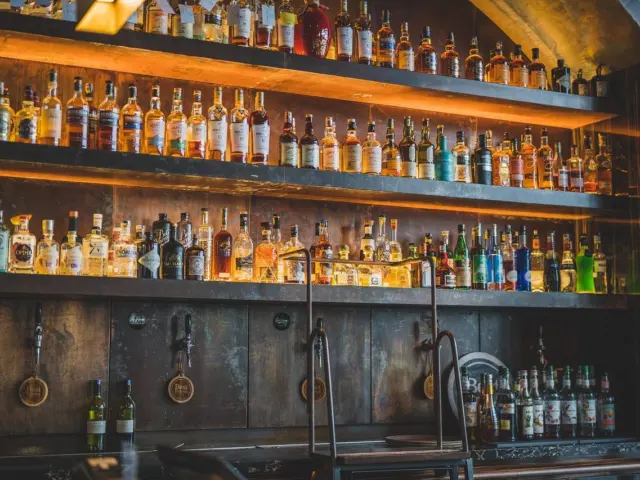
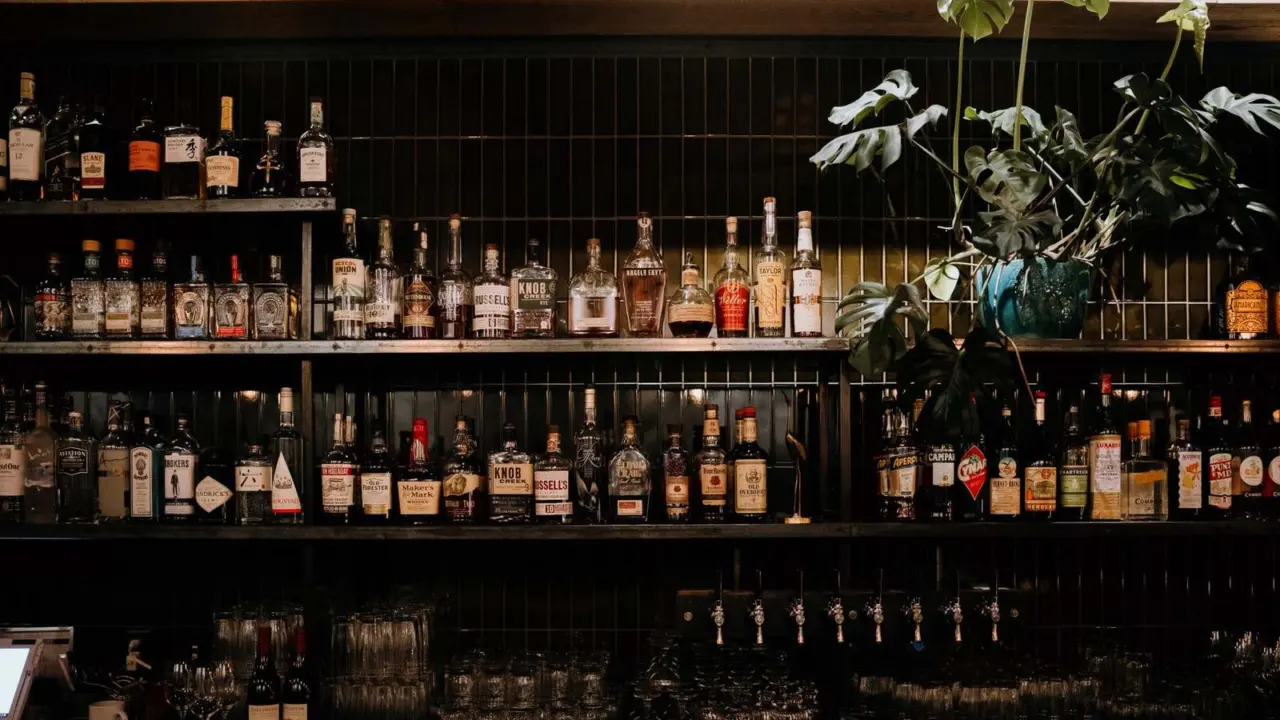
The same feature notes that every Italian region has its own amaro, and each bottle is a miniature geographical map. That regional character is why you will see such a wide spread of styles on a back bar.
What does amaro taste like?
Amaro gets its character from a blend of herbs and roots. The flavorings Wikipedia names include gentian, angelica, cardoon and cinchona.
Every amaro has a bittering agent. Umami points to gentian root, found in the mountains of central and southern Europe, and to cinchona bark, which it calls the main flavor in tonic water. You may know that bitterness without realising it. Umami adds that wormwood is used in many amari, and is integral to spirits like absinthe and vermouth.
The result is usually bitter-sweet and sometimes syrupy. Styles run from bright and orangey to dark, spicy and almost medicinal.
Choosing a first bottle by bitterness
The Umami guide places amari on a scale of bitterness. If you are new to the category, start at the gentle end and work up.
- Mild: Aperol (bright orange, with herbs, orange, vanilla and rhubarb), Cardamaro and Punt e Mes.
- Moderate: Averna (dark brown, with dark chocolate, herbs and a touch of citrus), Cynar (artichoke-based, with dark, caramelly notes) and Ramazzotti.
- Strong: Campari, Fernet Branca (strongly herbal and minty) and Sibilla (extremely bitter, with honey and smoke).
That guide warns that Sibilla is not for the amari novice. A moderate bottle such as Averna is a sensible first purchase if you want something rich without the sharpest edges.
How to drink amaro
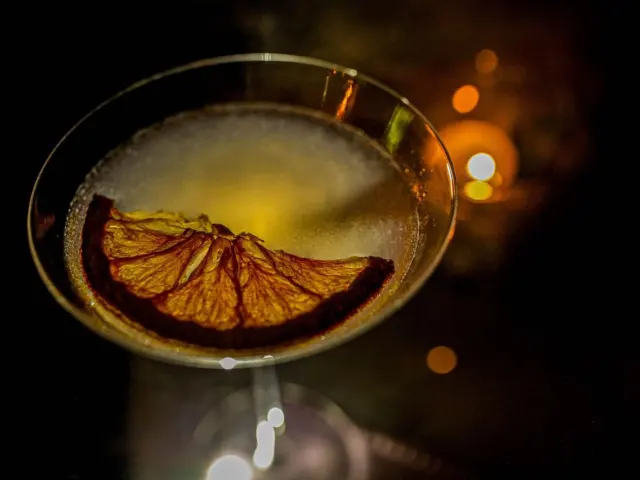
Wikipedia says amaro is traditionally consumed neat, sometimes with a citrus wedge. Umami adds that there’s really no wrong way, and that even the split between aperitif and digestif is flexible.
- Neat, in a small glass, as an after-dinner digestif.
- On the rocks, or with a splash of soda or tonic.
- In classic and modern cocktails, where amaro adds balance and complexity.
Argentina has its own habit. Wikipedia notes that amaro with cola-flavored sodas is common there. The italiani.it feature says Argentina absorbs approximately 75% of Fernet-Branca production.
Cocktails are an easy way in. Umami notes that Campari on the rocks is often served before meals, but combined with gin and vermouth it becomes a classic after-dinner Negroni.
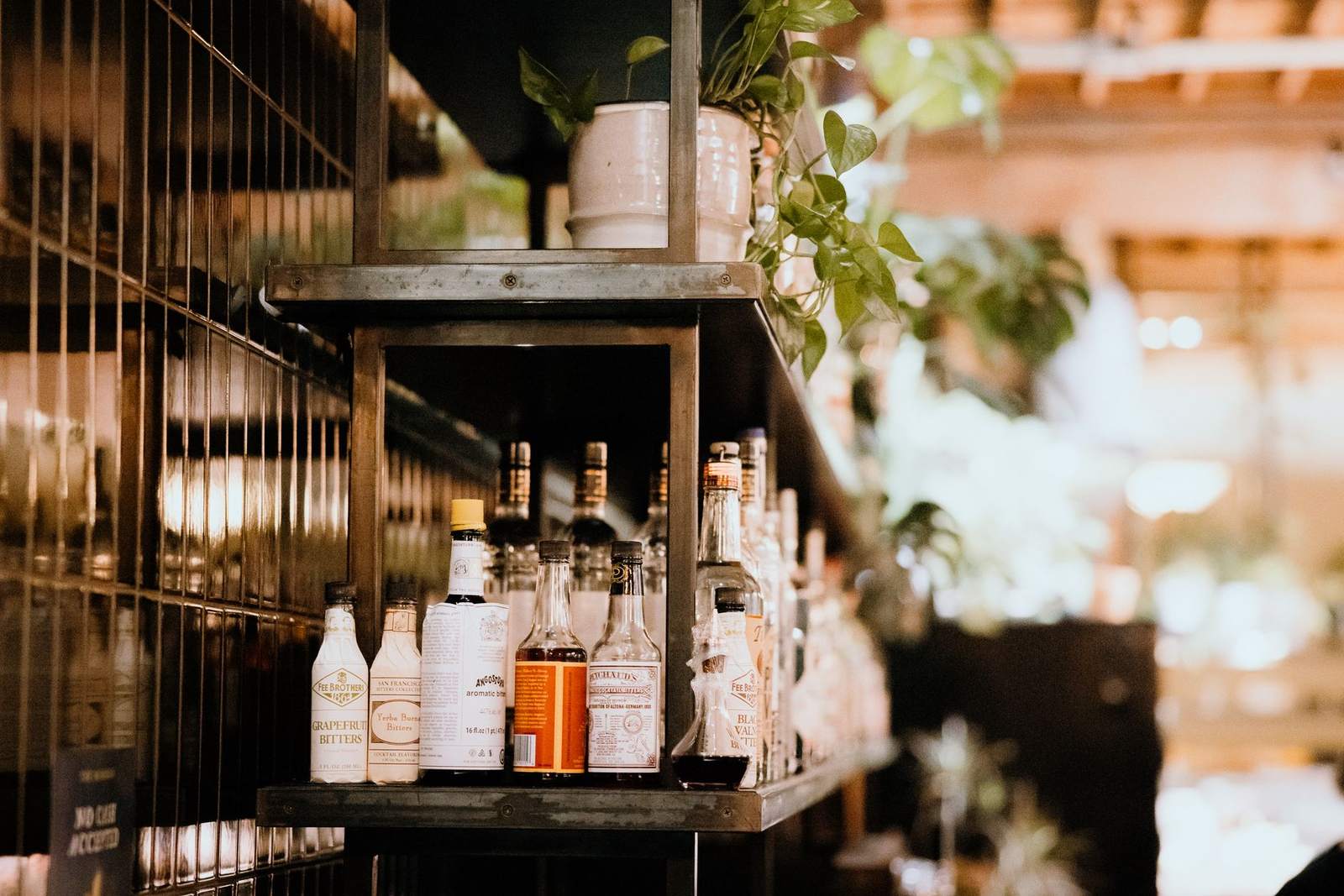
Amari are also more than a seasoning. Umami contrasts them with bitters like Angostura, where you add just a few drops to a cocktail, because amari can be consumed on their own or as part of a drink.
The spritz shows how far the category stretches. Umami calls Aperol the main ingredient in the classic Aperol Spritz, and the Appetito magazine feature says the Florian Spritz at Caffè Florian in Venice uses Rosso Nardini as its bitter spirit.
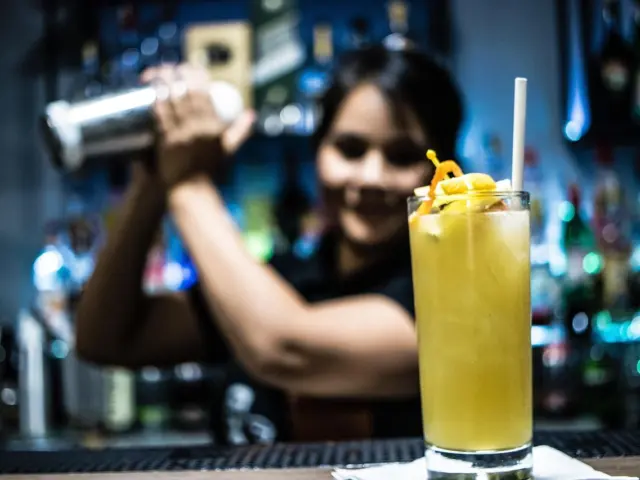
Bartenders in Italy are doing the same with cocktails. The Appetito feature quotes a bartender at Caffè Florian saying Venice doesn’t always follow the tradition of a straight amaro after a meal or coffee, so amari go into cocktails instead. Another bartender there says younger patrons favor straight amari less, so the bar creates drinks inspired by the amari tradition.
The italiani.it feature adds that bartenders in New York, London and Tokyo study these bottles as if they were works of art. At home in Italy, Umami says amari are served on all occasions, from a mid-afternoon pick-me-up to a sign of hospitality at the end of a meal, and that bringing a bottle as a host gift is common.
If you are unsure where to begin, work up in steps:
- Start with a mild bottle, such as Aperol in a spritz.
- Move to a moderate bottle, such as Averna, served on the rocks.
- Try a strong bottle, such as Fernet Branca, once you know the style you like.
Whichever you choose, ask the bartender how they like it served. The Umami guide treats the split between aperitif and digestif as flexible, so there is room to experiment.
For a stirred classic to compare against, see how to make an old fashioned. If you like spirit-forward drinks, you can also browse rye whiskey cocktails for more stirred ideas.
Frequently asked questions
What is amaro in simple terms?
Show answer
It is an Italian, or Italian-style, herbal liqueur with a bitter-sweet flavor. The Wikipedia entry gives an alcohol content between 16% and 40%.
Do you drink amaro before or after dinner?
Show answer
It is commonly consumed as an after-dinner digestif. Umami says some amari lean aperitif and others digestif, but even that is flexible.
Is Campari an amaro?
Show answer
It depends on who you ask. Umami lists Campari among its amari, while one commenter there says Italians usually keep the word for digestives. Wikipedia notes there is no canonical definition.
Can you mix amaro with cola?
Show answer
Yes, and it is common in Argentina, according to Wikipedia. Fernet-Branca is the best-known example there, with Argentina absorbing approximately 75% of its production, per italiani.it.