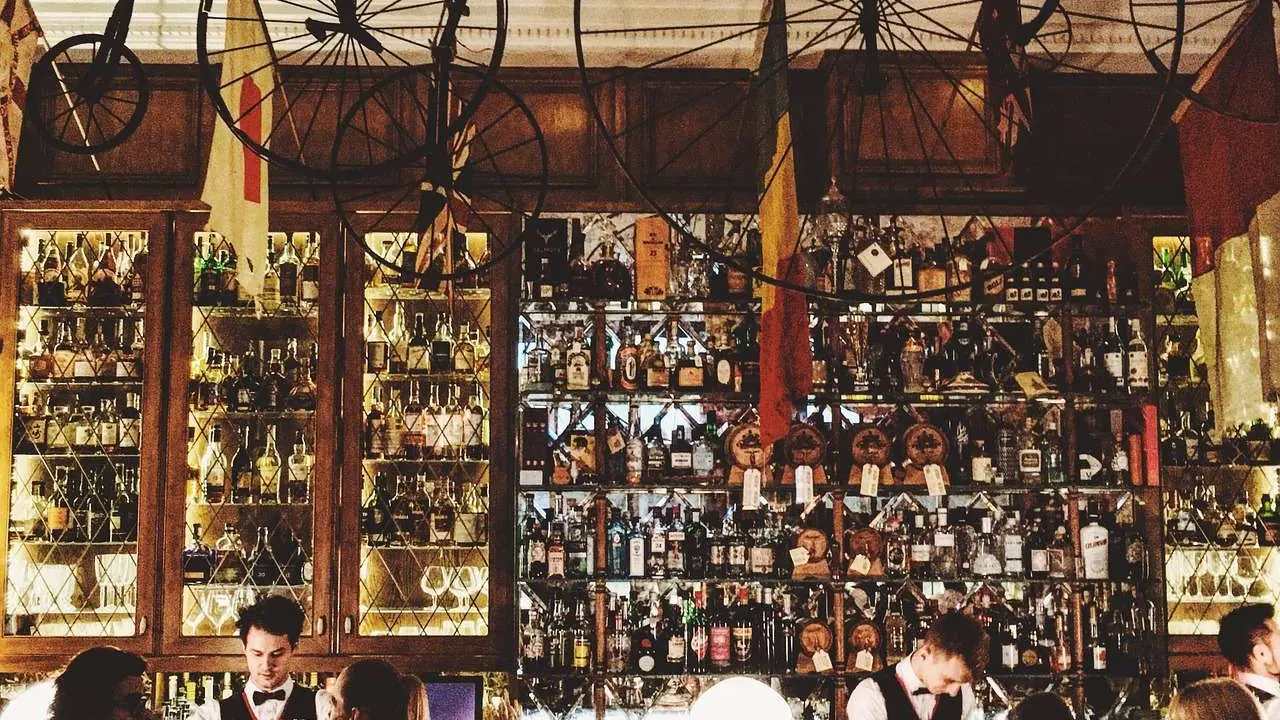
If you’re asking what is a speakeasy, it was a bar that sold alcohol illegally, mostly during Prohibition (1920-1933). Today the word also means a hidden, retro-style bar you can walk into legally.
This guide is part of a wider look at brooklyn bar culture.
| Item | Value |
|---|---|
| First known US print use of “speak easy” | March 21, 1889 (Harrisburg, Pennsylvania) |
| Prohibition period | 1920-1933 |
| Pittsburgh speakeasies by 1890 | About 700, against 92 licensed liquor dealers |
| Brooks High-License Act (1888) fee change | Annual license fee from $50 to $500 |
| New York City illegal bars, mid-1920s estimate | 30,000-100,000 |
| Start of the modern speakeasy-style trend | 2000 (the bar Milk & Honey) |
These figures come from Barry Popik’s speakeasy entry and Wikipedia’s Speakeasy article. Historical counts are estimates and can change as research is updated, so check the sources before you rely on them.
Where does the word speakeasy come from?
In print, the word is American. According to Barry Popik’s entry, speakeasy began in the United States in 1889 in Pennsylvania and referred to an unlicensed saloon. The Harrisburg Independent printed it on March 21, 1889, calling it the McKeesport name for a saloon that sells without a license.
The name describes behaviour. Customers were told to speak easy to escape notice by the police, and Popik’s entry notes a July 6, 1891 New York Times story crediting a McKeesport saloonkeeper, Kate Hester, with the first use. Wikipedia calls that a common American anecdote and says it fails to account for earlier usage outside the US.
That earlier usage was British. Wikipedia reports that a slang dictionary published in 1823 listed “speak softly shop” for a smuggler’s house. It adds that a naval memoir written in 1844 used “speak easy shop” for a place selling unlicensed liquor.
Pittsburgh explains why the word spread. Wikipedia lays out the sequence:
- In 1888 the Brooks High-License Act raised the annual license fee from $50 to $500.
- A few bars paid and others closed, but most establishments went underground.
- By 1890 Pittsburgh had about 700 speakeasies but only 92 licensed liquor dealers.
A New York Times report from August 1889, quoted by Popik, shows the squeeze. Two years earlier the city had about fifteen hundred licensed saloons, and there were by then only ninety-three saloons for 230,000 people.
National press attention carried the word further. An 1891 New York Times article quoted by Wikipedia says the term “now passes current all over the country” as a description of a resort where strong drink is sold without license.
Speakeasies in the Prohibition years
Prohibition is why the word became famous. The federal Volstead Act put Prohibition into effect on January 16, 1920, and it lasted almost fourteen years, according to Popik. Wikipedia dates the era 1920-1933 (longer in some states) and ties it to the Eighteenth Amendment.
Counts are rough, and sources differ. TheCollector says it was believed there were at least 5,000 speakeasies in the country in 1922. It adds that New York City alone reportedly had more than 32,000 illegal drinking establishments by the mid-1920s.
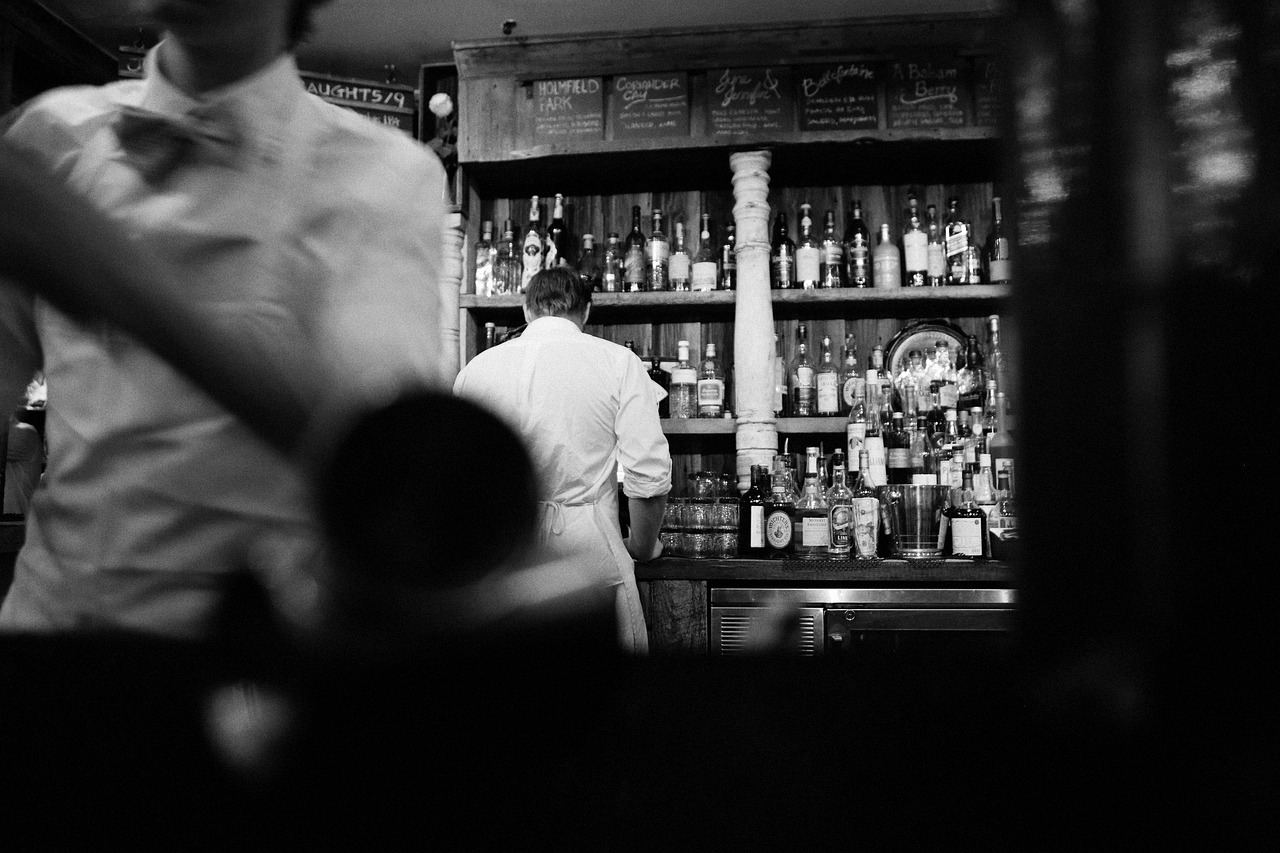
Popik’s entry gives mid-1920s estimates of blind pigs, a loose term for illegal bars, in three big cities:
- Chicago, Illinois: 10,000
- Detroit, Michigan: 15,000
- New York City, New York: 30,000-100,000
Getting in could take effort. TheCollector says some venues used passwords or secret knocking patterns, and patrons used codewords instead of openly asking for liquor. Its examples of codewords include:
- Coffin varnish
- White mule
- Horse liniment
- Monkey rum
The same source adds that some owners built custom-made doors and secret wine cellars behind fake walls. These were measures to protect the stock from confiscation during raids.
Crime, corruption and new crowds
As the Prohibition years went on, speakeasies became more numerous and more commonly run by people connected to organized crime, according to Popik. Police and federal Bureau of Prohibition agents raided them, but the business was so lucrative that they kept flourishing.
Corruption was rampant. Operators commonly bribed police either to leave them alone or at least to give them advance notice of planned raids, as Popik’s entry puts it.
In major cities, speakeasies were often elaborate, offering food, live bands and floor shows. Quality was another matter: TheCollector says alcohol sold in speakeasies was often of dubious origins.
Speakeasies also changed who drank together. TheCollector notes that before Prohibition, bars and saloons were strictly all-male spaces that were out of bounds for respectable women. Wikipedia adds that Texas Guinan, a former screen and stage actress, opened many speakeasies, such as the 300 Club and the El Fey.
Speakeasy versus blind pig
A blind pig, also called a blind tiger, originated in the United States in the 1800s, when blue laws restricted the sale of alcoholic beverages. Popik’s entry explains the trick: a saloonkeeper charged customers to see an attraction, such as an animal, and gave a “complimentary” drink, which circumvented the law.
The “blind” part could also mean the seller was hidden. Wikipedia says blind tiger also referred to illegal drinking establishments in which the seller’s identity was concealed.
The two types differed in tone, according to Popik:
- A speakeasy was usually a higher class establishment, and some in New York and other large cities required coat and tie for men and evening dress for women.
- Speakeasies invariably offered food, music or entertainment, or all three, besides drinking.
- A blind pig was generally a rougher spot where only beer and liquor were available.
Other slang for similar places included gin joint and gin mill. To compare the speakeasy with another bar type, the explainer on what is a dive bar is a useful next read.
What is a modern speakeasy?
The word now has a second life. Wikipedia says the term may also refer to a retro style bar that replicates aspects of historical speakeasies, while the originals largely disappeared after Prohibition ended in 1933.
The same article says a speakeasy-style trend began in 2000 with the opening of the bar Milk & Honey. As a neutral example from that source, it is named here only to date the trend, not to recommend it.
Some originals did not vanish. Popik’s entry notes that several former speakeasies, such as the “21” Club in New York, later survived as restaurants.
Because the modern term describes a style, venues can borrow different parts of the history. Read how a bar describes itself, and once you are inside, the guide to how to order a drink at a bar covers the basics.
Frequently asked questions
Was a speakeasy legal?
Show answer
No. Popik’s entry says the word first meant an unlicensed saloon, and Wikipedia says that during Prohibition the sale, manufacture and transportation of alcoholic beverages was illegal throughout the United States.
Why is it called a speakeasy?
Show answer
Customers were told to speak easy to escape notice by the police, according to Popik. A well-known story credits a McKeesport saloonkeeper, Kate Hester, though Wikipedia notes it does not account for earlier usage outside the US.
What is the difference between a speakeasy and a blind pig?
Show answer
Per Popik, a speakeasy was usually a higher class place that offered food, music or entertainment, while a blind pig was generally a rougher spot serving only beer and liquor.
Is a modern speakeasy the same thing?
Show answer
Not exactly. Wikipedia describes the modern sense as a retro style bar that replicates aspects of historical speakeasies, rather than an illicit establishment.
When did speakeasies end?
Show answer
Wikipedia says speakeasies largely disappeared after Prohibition ended in 1933.