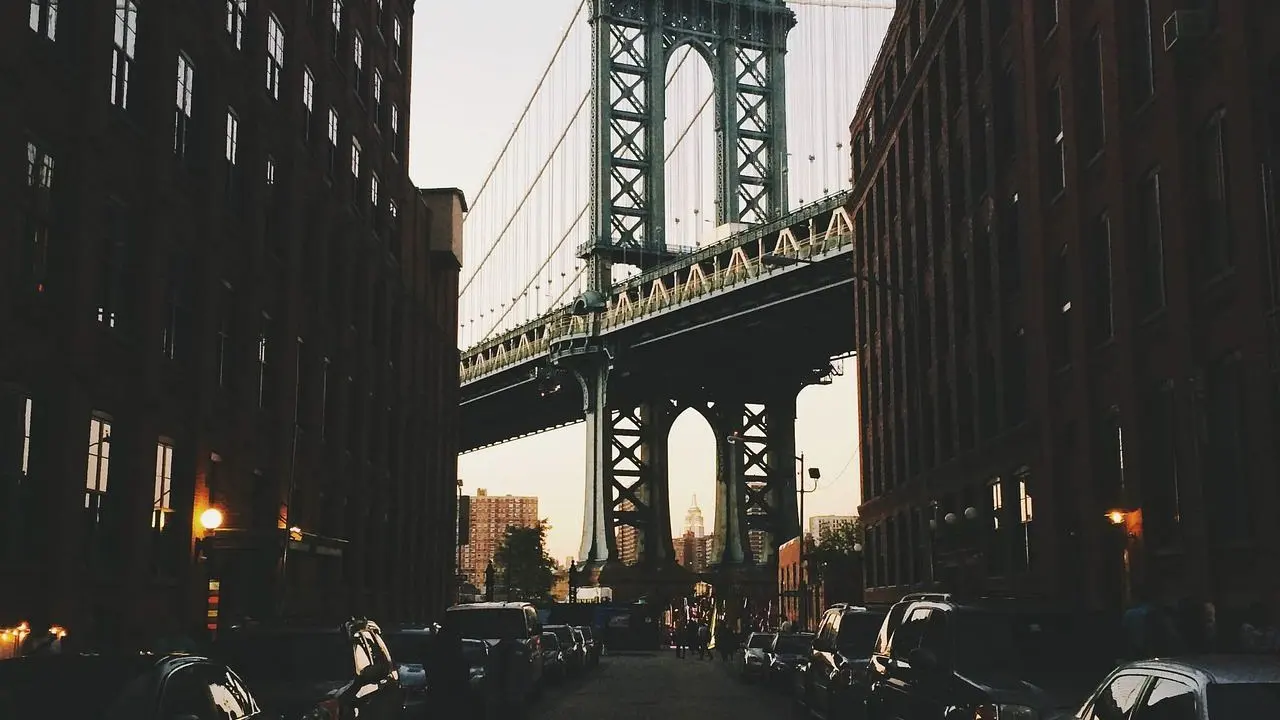
Wondering how to act at a Brooklyn bar? Brooklyn bar culture runs on a few habits: know the bar type, order clearly, tip fairly and respect last call. Get those right and any room feels easier.
| Item | Value |
|---|---|
| Closing time listed for Kings County (Brooklyn) | 4 AM |
| State rule for serving alcohol in bars and restaurants | Until 4:00 AM |
| Hard closing time, when everyone must leave | 4:30 AM |
| Typical gap between the last-call announcement and closing | 15 to 30 minutes |
| Liquor and wine store hours, Monday to Saturday | 9:00 AM to midnight |
| Liquor and wine store hours, Sunday | 10:00 AM to 10:00 PM |
These figures come from a WPDH report dated December 11, 2023 and a law firm guide dated April 11, 2025. Closing rules and local limits can change, so check the source before you rely on them.
What shapes Brooklyn bar culture
A useful way to picture Brooklyn nightlife is as a collection of small, local rooms rather than one big strip. A corner spot with a worn stool and a cocktail room with a short, serious menu can sit a few blocks apart, and each runs on its own unwritten rules.
The habits that carry across almost every room are simple. They are worth learning before you worry about which bar to pick:
- Patience: bartenders serve in the order they notice people, so wait calmly instead of waving cash.
- Clarity: know roughly what you want before you reach the front.
- Fair tipping: a tip is part of how bar staff are paid, so budget for it.
- Space awareness: keep walkways, door areas and the service well clear.
- Respect for closing: when last call comes, the night is ending on purpose.
None of this is strict. It is the shared courtesy that keeps a crowded room friendly, and the regulars in any bar tend to notice who has it and who does not.
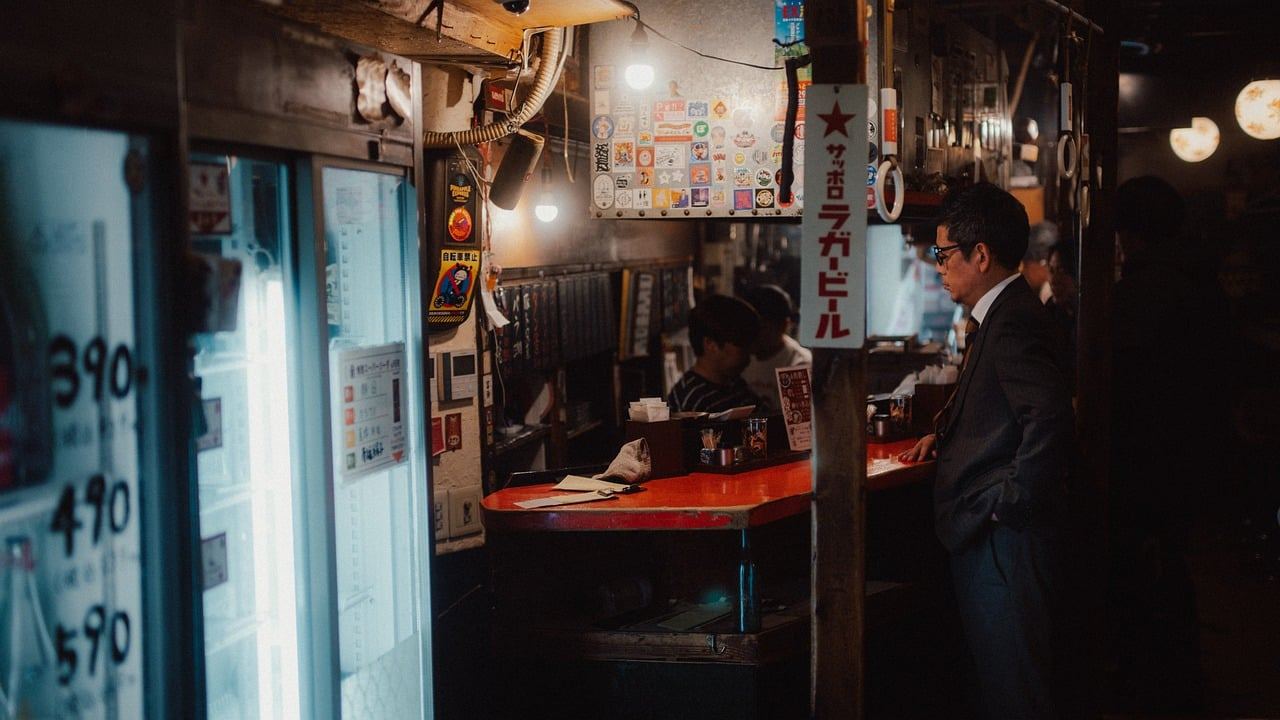
Your own pace matters too. Many people treat a bar visit as a stop in a longer evening, while others settle in for hours. Either is fine as long as you keep your tab in order and your seat or spot reasonable for the room’s size.
Types of bars you will find in Brooklyn
Calling a place “a bar” says very little. Knowing the type tells you what to wear, how loud it will be, what the drinks cost you in effort and what the staff expect from you.
- Neighborhood local: an easygoing room where staff know regulars, menus are short and conversation matters more than novelty.
- Dive bar: a no-frills, often dim spot where the draw is low pretension and familiar drinks.
- Cocktail bar: a room built around mixed drinks, with menus that change and bartenders who may ask what flavors you like.
- Speakeasy-style bar: a venue that plays up a hidden or understated entrance and a quiet, intimate feel.
- Craft beer bar or taproom: a place that centers on beer lists, tasters and talk about styles.
- Wine bar: a calmer room where pours and small plates lead.
- Sports bar: a lively room organised around screens and game days.
- Restaurant bar: a counter attached to a dining room, useful for a drink before or after a meal.
The edges blur, and a single venue can be two of these at once. Still, the categories help you set expectations before you walk in.
Dive bars and speakeasies
These two get mixed up with other types more than any others. The guide on what is a dive bar explains what separates a true dive from a place that is merely cheap or old. The explainer on what is a speakeasy covers the hidden-door idea and how modern venues borrow from it.
Cocktail and beer rooms
If you want to go deeper on mixed drinks, the section on brooklyn cocktail guides collects the borough’s drink stories in one place. Beer drinkers can follow the brooklyn craft beer hub to learn how taprooms and tasting flights work.
Customs that make a night go smoothly
Good bar manners are mostly about making the bartender’s job easy. A typical visit follows a rhythm, and knowing the steps takes the stress out of the first round.
- Find a spot at the bar or a table and keep your belongings tight, not spread across stools.
- Wait to be acknowledged. A nod or a short eye-contact moment is the usual signal.
- Order for your group in one go if you can, with drink names rather than a long description.
- Choose whether to pay as you go or open a tab, and say so when you order.
- Tip when you pay, and close your tab before you leave.
Plenty of detail sits behind each step. The full rundown on bar etiquette covers phones, seating, groups and how to handle a crowded room.
Ordering and tipping
Ordering gets easier when you start with a spirit, a style or a flavor you like, and let the bartender fill in the rest. A practical walk-through of how to order a drink at a bar shows how to ask for what you want without holding up the line.
Tipping is the other half of the exchange. The guide to how much to tip a bartender explains the usual practice, so you can decide on an amount before the card machine turns toward you.
Small habits that earn goodwill
- Say thanks when a drink lands, and again when you leave.
- Keep your voice at the room’s level, louder in a sports bar and lower in a cocktail room.
- Take your glasses and napkins to a clear space if the room is packed.
- If a drink is wrong, say so politely and early instead of letting it sit.
- Settle with the bar before you move on to the next place.
Bar terms you will hear
Bar language is short because bartenders are busy. A small vocabulary covers most of what you will hear, and a few of the terms are tied to how the night ends.
- Tab: a running bill that you settle at the end of your visit.
- Neat: a spirit served on its own, with no ice or mixer.
- On the rocks: a drink served over ice.
- Well drink: a drink made with the bar’s standard house spirit instead of a named brand.
- Last call: the announcement that closing is near and any further drinks should be bought right away.
- Hard close: the point at which everyone must leave and the alcohol is put away.
Those six cover the basics, but bar slang goes much further. The bar terms glossary is the place to look up anything you hear that is not on this list.
One term people often ask about is the discount window. A separate explainer on what is happy hour describes how these deals usually work, though each bar sets its own terms, so read the board or ask before you order.
Last call, closing time and the rules behind them
Last call is, in the words of a WPDH report published December 11, 2023, the moment when customers are told that closing time is approaching and that any further drinks should be bought immediately. The same report says the call can come 15 to even 30 minutes before closing, depending on how crowded the venue is.
For Brooklyn, that report lists Kings County among the counties with a 4 AM closing time, citing data from the New York State Liquor Authority as of its December 2023 publication. It also says the closing time is left up to each of New York’s counties, so the number can differ from one part of the state to another.
What the state-level guidance says
As of a law firm guide last updated April 11, 2025, bars and restaurants in New York State can serve alcohol until 4:00 AM. The same guide describes a hard closing time of 4:30 AM, when everyone must leave and the alcohol must be put away. It adds that each county or city can decide to make the rules tighter.
The practical takeaway is that a bar may call last call and close well before the legal limit. A late hour on the clock is a ceiling, not a promise, so ask the staff if you are planning around it.
Closing times are a live local topic
Closing hours are not fixed in the minds of every community. A KATV report dated December 23, 2022 described the city council in Saratoga Springs moving to petition the State Liquor Authority to stop alcohol sales after 2 a.m. when bars renew their licenses. That is another upstate city, not Brooklyn, but it shows how local officials can push for different hours than the neighboring bar.
Buying alcohol to take home
Bar hours are a separate matter from store hours. The law firm guide dated April 11, 2025 lists liquor and wine store hours of 9:00 AM to midnight Monday to Saturday and 10:00 AM to 10:00 PM on Sundays, and notes that some counties set earlier closing times. It also says beer can be sold in grocery stores, gas stations and convenience stores.
Planning a good night out
A good evening comes from a few small choices made early. Start with the mood you want, match it to a bar type, and think about how you will end the night.
- Pick the room first: choose a quiet cocktail room for conversation and a lively local or sports bar for a group.
- Check hours before you go: a bar can close earlier than the legal limit, so confirm a closing time if the night matters.
- Pace the evening: alternate drinks with water and food.
- Agree on the plan: decide with friends how you will split the bill and get home.
- Leave room for last call: order your final drink when the announcement comes, not after.
The same bar can feel perfect on one night and wrong on another, because the occasion changes what you need from a room. Thinking about why you are going helps more than reading a long list of venues.
- A date or a quiet catch-up: look for a cocktail room, wine bar or low-lit local where you can hear each other without leaning across the table.
- A big group: pick a roomy place with tables or a loose standing area, and avoid a narrow counter bar where the group will block the service well.
- A solo evening: a seat at the bar in a calm neighborhood spot is the easiest way to start a friendly chat, or to enjoy a drink and a book.
- A celebration: tell the staff early, ask whether they take groups, and expect a busy room to need patience.
- A game day: head for a sports bar and arrive early, since the best sightlines tend to go quickly.
Groups deserve a few extra minutes of planning. Agree on the bill before the first round, because splitting a long tab at the end of a loud night is where friendly evenings go sour. If one person is covering a round, say so to the bartender when ordering so the checks stay clean.
Pacing is the quiet skill behind a good night. Eat something before or during the evening, keep a glass of water within reach, and treat each round as a fresh decision instead of an obligation to match everyone else. A slower night often ends better than a fast one, and no bartender will mind a guest who orders sensibly.
It also helps to have a loose plan for the whole evening, even if you change it on the way. This simple order works for most people:
- Decide the mood and choose a bar type that fits it, then look up the venue’s hours before you leave home.
- Agree with your group on a meeting point, a rough budget and how everyone will travel home.
- On arrival, settle in, read the menu or board, and order without rushing the staff.
- Check in with yourself and your friends at a natural pause, such as when a round finishes.
- Close your tab, thank the staff and leave before the room empties out around you.
Staying aware of your surroundings is part of good bar sense. Keep your drink in sight, hold on to your own belongings, and trust your instincts if a situation feels off. If a friend seems to be struggling, tell the staff quietly, since bar workers are used to helping and would rather hear about a problem early.
Getting home is the last decision of the night, and it is easier to make before you start drinking than after. Work out your route in advance, keep your phone charged, and let a friend know when you are heading out. If the group splits up, make sure nobody is left to find their own way without a plan.
Budget is worth a thought as well. Rounds add up faster than most people expect, especially once tips and a second venue are included, so set a comfortable limit before you go. Paying as you go makes that limit easier to keep than a tab that quietly grows through the evening.
Timing matters too. A bar early in the evening tends to be calmer, with more room to talk to the bartender about the menu, while later hours bring crowds and shorter conversations. Choose the time that suits the experience you want, and you will rarely feel the room is working against you.
Finally, give a neighborhood a fair chance. A bar that seems plain from the sidewalk may turn out to be the kind of friendly local you return to for years, and a trendy room may feel too loud for what you want. Visiting a few different types in the same evening, with a snack and a walk between stops, is a pleasant way to learn what Brooklyn has to offer without committing to a single spot.
You do not have to drink alcohol to enjoy a bar. Many venues serve good alternatives, and the guide to non alcoholic drinks at a bar explains how to ask for something that feels as considered as a cocktail.
Whatever you order, treat the staff as the people who keep the room running. That attitude, more than any rule, is what Brooklyn regulars tend to value in a newcomer.
Frequently asked questions
What time do Brooklyn bars close?
Show answer
As of a December 11, 2023 WPDH report, Kings County (Brooklyn) is listed among the New York counties with a 4 AM closing time. Individual bars may close earlier, so check the venue.
What is the difference between last call and hard closing?
Show answer
Last call is the announcement that closing is near and that you should buy any further drinks right away. Hard closing is the point when everyone must leave. As of an April 11, 2025 guide, the state-level hard closing time for bars and restaurants is 4:30 AM.
How long before closing is last call?
Show answer
According to the WPDH report dated December 11, 2023, the call can go out 15 to even 30 minutes before closing time, depending on how crowded the venue is.
Can a bar close earlier than the state limit?
Show answer
Yes. The April 11, 2025 law firm guide says each county or city can make the rules tighter, and a venue may also choose its own hours within the limit.
Do you need to drink alcohol to go to a bar?
Show answer
No. Bars serve a range of drinks, and ordering something without alcohol is a normal request. Ask the bartender what they would recommend.