Wondering what is a dive bar, and whether your favourite corner spot counts? It’s typically a small, unglamorous, old-style bar with cheap drinks, dim lighting and a local crowd. Character matters more than grime.
This guide is one piece of the wider story of brooklyn bar culture, looking at the dive itself.
| Item | Value |
|---|---|
| Bottle of Bud in one author’s 2004 picture of an ideal dive | US $2 |
| Shot of Jack in the same 2004 picture | US $3 |
| Corn dog on a Nashville dive bar’s hand-written menu, 2018 | US $1 |
| Cocktail at a fancy bar, as described in a 2019 history of the dive | $15 |
| Earliest print use of “dive” for a bar found by that history | 1857, in Chicago |
| First press use of “dive” in the U.S., per Wikipedia | 1880s |
These figures come from Wikipedia’s dive bar entry and a Daily Beast history of the dive. Prices and dates can change or be revised, so check the sources before you rely on them.
The usual markers of a dive bar
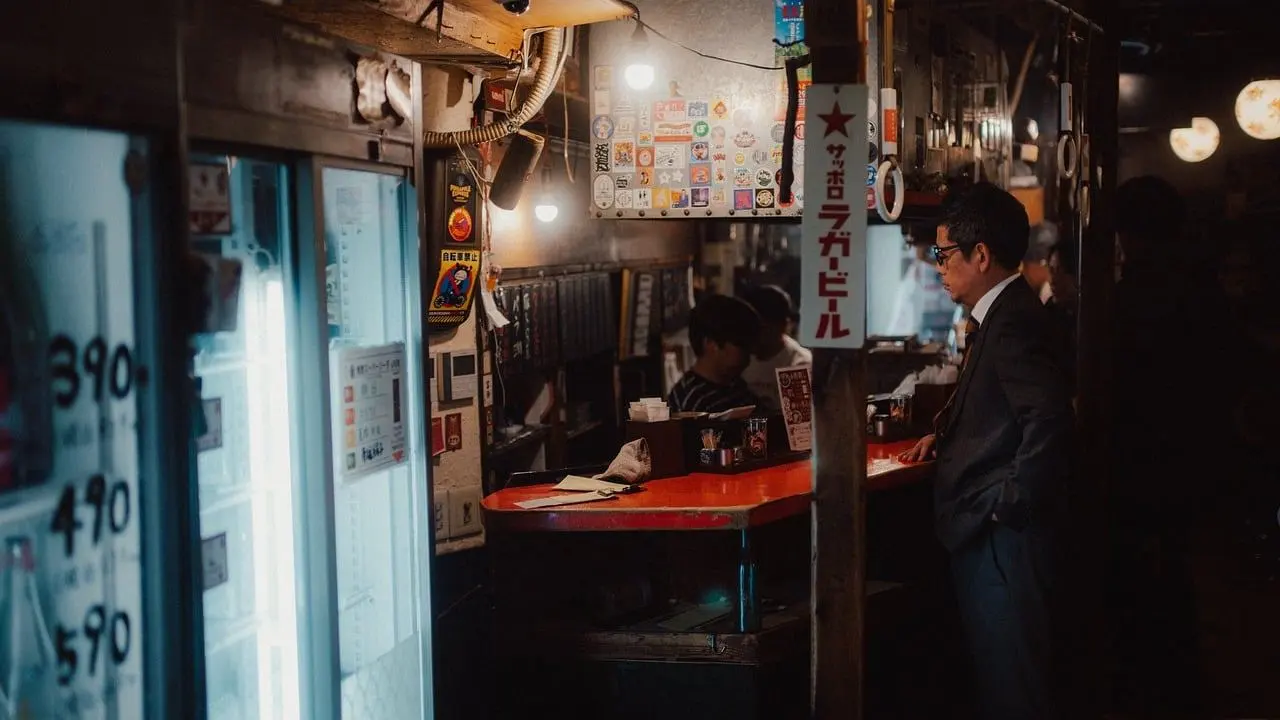
According to Wikipedia, a dive bar is typically a small, unglamorous, eclectic, old-style drinking establishment with inexpensive drinks. It may also feature dim lighting, shabby or dated decor, neon beer signs, packaged beer sales, cash-only service and a local clientele. Even so, the precise definition is rarely agreed on and is the subject of spirited debates.
The traits that come up most often are these:
- A small, unglamorous room with dim lighting and shabby or dated decor.
- Inexpensive drinks and neon beer signs.
- Cash-only transactions, handled directly by the bartender, with rarely a computerized register.
- An owner or a family member who often tends bar.
- Little effort to advertise, provide parking or have fancy signage.
- Regulars who may have been coming for many years.
Pricing is part of the picture too. In author Todd Dayton’s 2004 sketch of his ideal dive, a bottle of Bud costs US $2 and a shot of Jack US $3, as Wikipedia quotes him. Read those as a snapshot from 2004, not a price list for today.

Where the word dive comes from
The Daily Beast notes that the Oxford English Dictionary defines a dive as an illegal drinking-den or other disreputable place, often in a cellar, basement or other half-concealed spot. Wikipedia says the term was first used in the U.S. press in the 1880s. A Daily Beast history from 2019 argues that modern research tools push the earliest use for a bar back to 1857.
That history says the term first reached print in Chicago, in June and August 1857 and again in April 1858. In May 1858 it turned up in Buffalo, New York. All three Chicago establishments were identified in police reports as black-owned, according to the same account.
The verb came first. The same history points to a London usage of “to dive” for a descent into a basement eating and drinking place, found in Tobias Smollett’s 1748 novel Roderick Random. It adds that editor Nathaniel Parker Willis wrote in 1843 about making a “dive” into a basement dance hall in New York’s Five Points neighborhood, as the Daily Beast recounts.
A VICE piece from 2016 says the phrase entered the lexicon in the 19th century for a bar or opium den that was literally subterranean. It also mentions a folk etymology: going in meant heading out of sight and into a zone of ill repute. Elsewhere the idea travels under other names, since Wikipedia notes that dive bars are known as brown bars or pubs in parts of Western and Northern Europe, such as brun bars or pubs in Norway.
Can a dive be cleaned up and stay a dive?
Rick Dobbs, author of the 2019 book Local Spirit: Neighborhood Bars of Orleans Parish, said a dive can absolutely be cleaned up but still be a dive, because it is the character and spirit of the space that counts. Wikipedia adds that many dive bar owners made repairs and cleaned up while bars were closed during the COVID-19 pandemic of the early 2020s.
The debate is live. Wikipedia points to SFGate coverage of whether the Merrimaker, a dive bar in Los Osos, California, still qualifies after an extensive remodel in 2019. Devotees, it says, may describe a bar as very divey or not divey and compose rating scales of “divey-ness”.
Some of the best-known tests are about attitude, not décor. In the VICE piece, sociologist Kathy Giuffre says dives are cheap and there is no question when you walk in about whether you’re dressed well enough: “If you’re wearing pants, you’re good.” John Cline, who has a PhD in American studies, adds that a real dive wouldn’t call itself a dive.
If you are sizing up a bar yourself, these questions are a fair start:
- Does anyone care what you are wearing?
- Does the room feel like it belongs to the neighbourhood and its regulars?
- Does the bar seem to make little effort to impress you?
- Do the drinks stay inexpensive?
Why people love a dive: the third place idea
In the VICE piece, Giuffre, now a sociologist at Colorado College, studies third places. The term was coined by a sociologist whose idea was that home is the first place, work is the second, and any place where you can build community counts as a third. She says these hubs let people from different backgrounds freely exchange ideas.
Giuffre also tells VICE it will be really sad when there aren’t places where a 20-year-old and a 70-year-old can just sit around a table and shoot the breeze. The Daily Beast paints a similar picture of a bar where the person on the next stool is as likely to work in the post office as a law office, according to its 2019 history.
Cline says that the core clientele is traditionally the working classes, though these spaces may be open to everyone. The label has shifted over time: Wikipedia says that once considered a pejorative, “dive bar” has more recently become a badge of distinction from patrons who seek authenticity.
Dive bars compared with fancy bars
The Daily Beast splits American bar history into a fancy tradition and a lowdown one. The fancy side means mixed drinks from quality ingredients in elegant surroundings, with a spectacular cocktail that charges your credit card $15, in its 2019 telling. The lowdown side is shots, ice-cold bottles of Miller High Life and a jukebox, as the Daily Beast puts it.
Food is another dividing line. Wikipedia says dive bars are not known for their food and often do not serve anything beyond pretzels and snacks. In 2018, a visitor to a well-known Nashville dive bar reported a hand-written menu taped to the refrigerator, listing only pork rinds, popcorn, peanuts and microwaved corn dogs (US $1).
Bathrooms are the other famous giveaway. Wikipedia says they are usually poorly maintained or in a state of disrepair, with stalls occasionally enclosed by a shower curtain instead of a door. Giuffre notes in the VICE article that you can love a dive, even think of it as home, but still be disgusted by it.
Dives are also under pressure. The 2016 VICE piece says that in the country’s most cultured cities there aren’t many left: some were pushed out by gentrification, others closed when aging owners died or retired, and hip cocktail bars or small-plate restaurants often take their place.
If you want a related kind of bar to compare, read about what is a speakeasy next. For other words you may hear at the counter, the bar terms glossary is a handy companion.
Frequently asked questions
Does a dive bar have to be dirty?
Show answer
No. Wikipedia quotes Rick Dobbs saying a dive can be cleaned up and still be a dive, because the character and spirit of the space is what counts. Poorly maintained bathrooms are common, but they are a typical trait rather than the definition.
Do dive bars serve food?
Show answer
Usually only a little. Wikipedia says they often do not serve food beyond pretzels and snacks. Its 2018 Nashville example listed pork rinds, popcorn, peanuts and microwaved corn dogs (US $1).
Are dive bars always cash-only?
Show answer
Not always, but it is typical. Wikipedia says transactions are typically cash-only and handled directly by the bartender. Check with the bar before you go if you carry no cash.
Is “dive bar” an insult?
Show answer
It used to be. Wikipedia says it was once considered a pejorative term and has more recently become a badge of distinction. Cline tells VICE that a real dive wouldn’t call itself a dive, so many owners avoid the label themselves, as the VICE article reports.
What are dive bars called in Europe?
Show answer
In parts of Western and Northern Europe they are known as brown bars or pubs, such as brun bars or pubs in Norway, according to Wikipedia.