Staring at a Brooklyn tap list, you may wonder what is a hazy IPA. It is an American IPA that looks cloudy, tastes of juicy fruit, and feels softer and less bitter than a classic IPA.
This explainer is part of a broader look at brooklyn craft beer, from styles to what to order.
| Item | Value |
|---|---|
| Also known as | New England IPA or NEIPA |
| Typical strength (ABV) | 6% – 9% |
| Bitterness range (IBU) | 25 – 60 IBU |
| Color range (SRM) | 3 – 7 SRM |
| Original gravity (OG) | 1.060 – 1.085 |
These figures come from the BJCP 2021 guidelines for style 21C, also published on the BJCP style site. They describe a judging style, and guidelines can change, so check the source before you rely on them.
What makes a hazy IPA hazy?
The cloudiness is deliberate, not a brewing mistake. The BJCP says the haze comes from the interaction between polyphenols from dry-hopping and proteins from starchy grains, not from suspended yeast or starch haze.
In plain terms, hops added late and in large amounts meet proteins from the grain, and the two keep the beer looking soft and opaque. That is why brewers of the style lean so heavily on dry-hopping, which means adding hops after the boil to build aroma rather than bitterness.
The BJCP points to a handful of ingredient and process choices behind the style:
- A grain bill like an American IPA, but with more flaked grains and less caramel or specialty malt.
- American or New World hops with fruity characteristics.
- A neutral to estery yeast, meaning one that can add its own fruity notes.
- Balanced to chloride-rich water, which supports a softer impression.
- Heavy dry-hopping, partly during active fermentation.
The guidelines also mention biotransformation of hop oils during fermentation, which adds to the depth and fruit complexity. You do not need to know the chemistry to enjoy the beer, but it helps explain why the aroma can feel so layered.
How a hazy IPA looks, smells and tastes
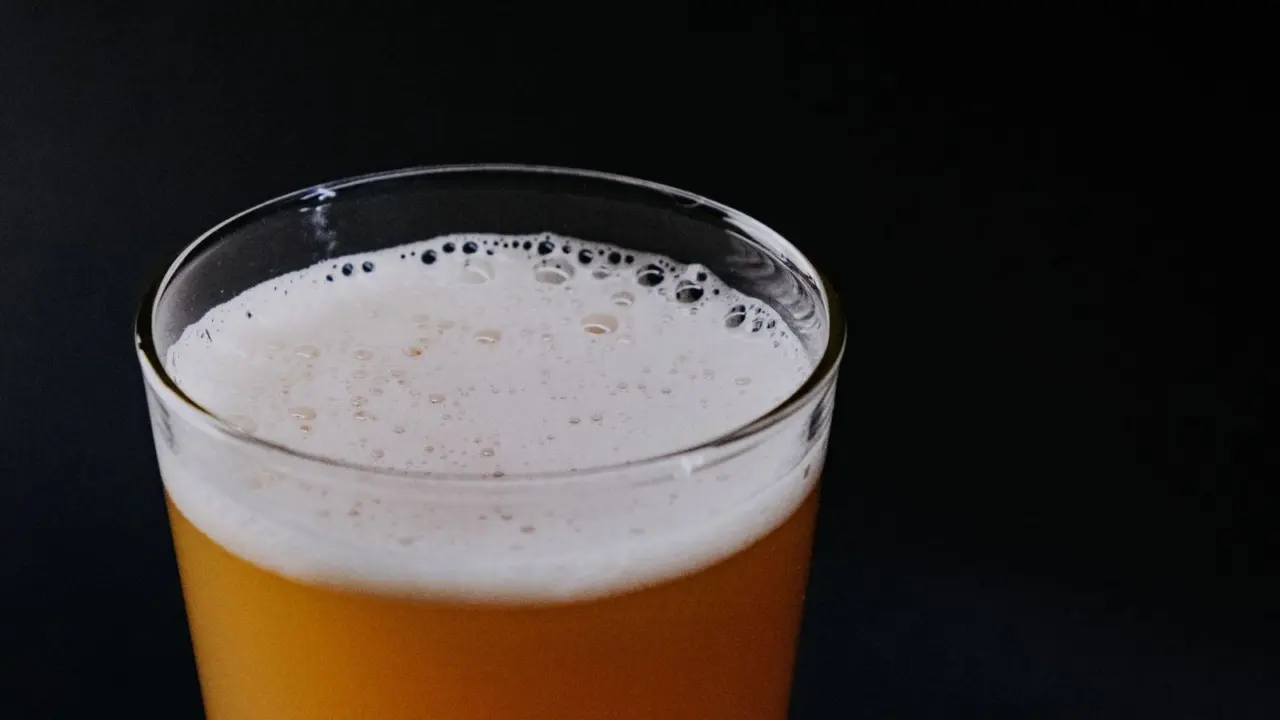
Start with the glass. The color runs from straw to very light amber, sometimes with an orange hue, and the beer is hazy and often opaque. The BJCP adds that the opacity can add a shine to the beer and make the color seem darker.
Hazy does not mean muddy. The guidelines say the beer should not be cloudy or murky, and any visible floating hop matter, yeast clumps or other particulates count as a fault. A good example also carries a meringue-like white head with high to very high retention.
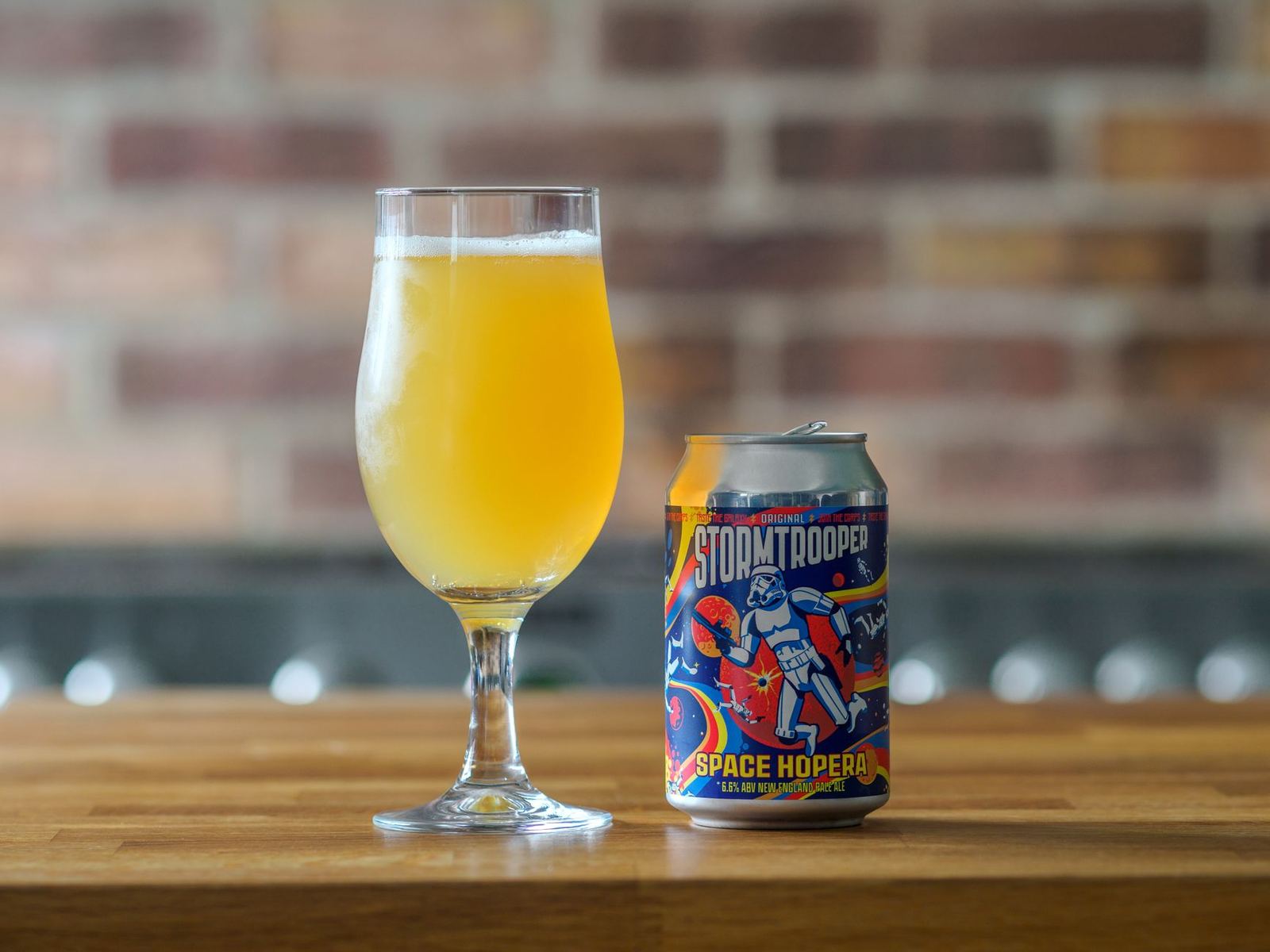
Next comes the nose and the first sip. Here is what the guidelines describe:
- Aroma: an intense hop aroma with stone fruit, tropical fruit, citrus or other fruity qualities, and not grassy or herbal.
- Flavor: high to very high fruity hop flavor, with low to medium malt flavor in the background.
- Bitterness: low to medium-high, often masked by the fuller body and a soft, off-dry to medium finish.
- Mouthfeel: medium to medium-full body with medium carbonation, smooth and without harshness.
That mix is what drinkers mean by juicy. The BJCP ties the juicy character to late hopping, especially dry-hopping, with hops that have tropical fruit qualities.
One quirk: the beer should not taste sweet, although high ester levels and lower bitterness may sometimes give that impression. If a pint reads as sweet, that is the soft body and fruity hops at work rather than added sugar.
Hazy IPA vs a classic American IPA
Both belong to the same family, but they pull in different directions. Compared with an American IPA, the hazy version has a fuller, softer mouthfeel, a more fruit-forward late hop expression, a more restrained perceived bitterness balance and a hazier appearance, per the BJCP.
Judges draw the line by finish and body. Many modern American IPAs are fruity and somewhat hazy, but examples with a dry, crisp finish, at most medium body and high perceived bitterness are entered as 21A American IPA, according to the BJCP 2021 style page.
Both are ales, and the BJCP tags the hazy style as top-fermented. If that term is new, the split between lager vs ale is a useful starting point, and you can read about it in lager vs ale.
Where the style comes from
The BJCP describes the hazy IPA as a modern craft beer style that began in the New England region of the United States as an American IPA variant. That origin explains the alternate name, New England IPA, which is often shortened to NEIPA.
Alchemist Heady Topper is believed to be the original inspiration, as the style grew in popularity during the 2010s. The guidelines treat that as a belief rather than a settled fact, so it is best read as the usual origin story.
The story is still moving. The BJCP notes that the style continues to evolve, including a trend towards lower bitterness and using the style as the base for other additions.
Ordering a hazy IPA with confidence
Start with the strength on the menu. The BJCP style site lists an ABV of 6.0 – 9.0% for the style, so compare that range with the number printed next to the beer. Then use the points below to match the description to what you are likely to get.
- Expect a hop-forward beer with a softer bite, not a bitter punch.
- Look for words like juicy, tropical, citrus or stone fruit on the menu; they match the style.
- Treat milkshake, creamsicle or smoothie descriptions with care, because the BJCP says heavy examples like that are outside the style and IPAs should always be drinkable.
- Note any listed fruit, lactose or vanilla, since noticeable additions like these push a beer into a specialty category instead.
Cans and menus often hold more clues than the name does. If you want to decode the strength, style and ingredients printed on a package, the guide on how to read a beer label walks through it.
For reference, the BJCP lists Tree House Julius and Trillium Congress Street among its commercial examples of the style. Treat them as neutral reference points, not recommendations.
Frequently asked questions
Is a hazy IPA the same as a New England IPA?
Show answer
Yes. The BJCP says the Hazy IPA is also known as New England IPA or NEIPA, and it lists the style as 21C in its 2021 guidelines.
Is a hazy IPA less bitter than other IPAs?
Show answer
Usually it tastes less bitter. The BJCP describes less perceived bitterness than traditional IPAs, but the beer is always massively hop-forward, and the softer body often masks the bitterness that is there.
Is the cloudiness a flaw?
Show answer
No, haze is part of the style. The fault is floating hop matter, yeast clumps or other particulates, and the BJCP wants a hazy shine rather than a cloudy, murky mess.
Should a hazy IPA taste sweet?
Show answer
It should not. The guidelines say it should not be sweet, although high ester levels and lower bitterness can sometimes give that impression.